
Organic E. coli Recalls Are Rising. A Bacteriophage May Be the Natural Answer.
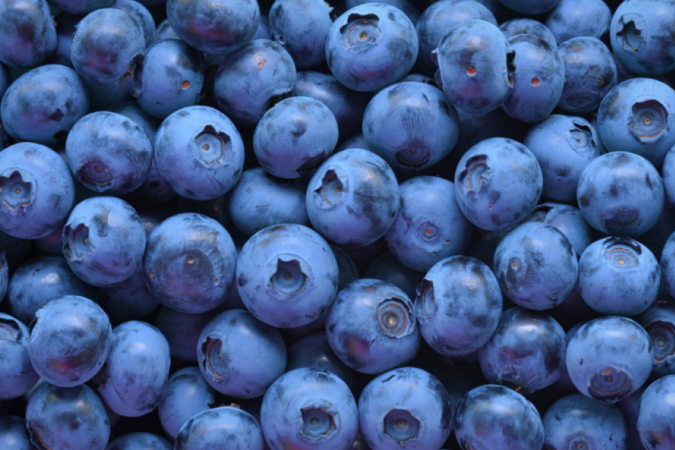
This week, the FDA escalated a recall of organic frozen blueberries and mixed berries to Class I — its most serious level — after the product was linked to an E. coli outbreak that hospitalized four people.
The product was organic. And that's exactly why this recall matters.
blueberries
Organic doesn't mean pathogen-free
There's a common assumption that "organic" and "safe from bacteria" are the same thing. They're not. Organic certification governs how food is grown — it says nothing about whether E. coli contaminated the product between the field and the freezer.
E. coli doesn't check for a label. It contaminates organic and conventional products through the same routes: water, soil, handling, and processing.
In fact, organic processors often face a harder challenge. Many broad-spectrum chemical antimicrobials are restricted under organic rules — so organic producers are asked to hit the same E. coli targets with fewer tools.
That gap is exactly what SK8 Biotech is working to close.
What is a bacteriophage, and why does it fit organic food?
A bacteriophage ("phage") is a virus that infects only bacteria — never human, animal, or plant cells. Phages are the most abundant organism on Earth, found naturally in soil, water, and the food we eat daily. They aren't a synthetic chemical; they're a natural control that's kept bacteria in check for as long as bacteria have existed.
Three properties stand out for processors:
Targeted: a phage hits one specific pathogen and ignores everything else — no impact on product or cultures.
Natural: phages are already present throughout the food system.
Organic compatible: with no synthetic residue and no sensory impact, they align in principle with organic production. (Always confirm certification status with your certifier and the National List first.)
Introducing VAM-E: SK8's bacteriophage for E. coli control
SK8 Biotechnologies is developing VAM-E, a bacteriophage designed specifically to target E. coli — the pathogen behind this week's organic berry recall and a persistent driver of costly outbreaks.
VAM-E is currently scaling toward commercialization, built for a clear purpose: a natural, organic-compatible tool that reduces E. coli before it becomes a recall — protecting consumers, brands, and balance sheets alike.
The takeaway
"Organic" and "protected from pathogens" are not the same thing. Closing that gap doesn't have to mean abandoning organic principles — and with a natural, targeted bacteriophage like VAM-E, it won't have to.
Want to be first to know as VAM-E moves toward commercialization? Let's talk 👉